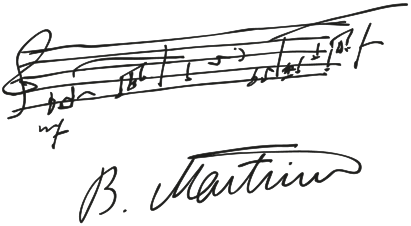
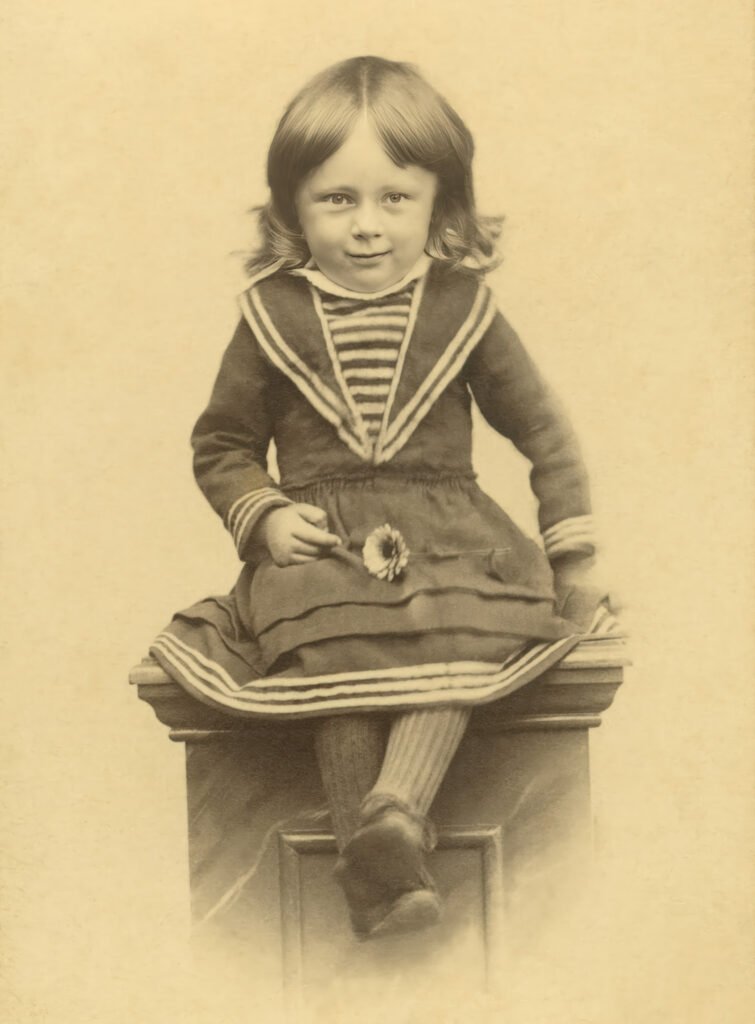
1890 — Born on December 8 in the tower of St. James's Church in Polička (now the Czech Republic) to Ferdinand Martinů, a shoemaker and tower watchman, and Karolina Martinů. He spent the first twelve years of his life there with his parents and two siblings.
1897 — Began attending the Municipal School in Polička, the only formal education he ever completed. Took his first violin lessons with the local tailor and music teacher Josef Černovský.
c. 1903 — Composed his first piece, a programmatic string quartet titled The Three Riders, based on a ballad by Jaroslav Vrchlický.
1905 — First public performance as a violinist in a tavern in Borová.
1906 — Following a public performance in Polička, he was awarded a scholarship by the town council. After passing the entrance exams, he began studying violin at the Prague Conservatory.
1908 — Expelled from the Conservatory on May 12 for an unauthorized public performance with an amateur orchestra; readmitted on May 25.
1909 — Composed the remarkable Elegy for Violin and Piano during Easter. In October, he transferred to the organ department, where he also studied composition.
1910 — On June 4, he was “dismissed for incorrigible negligence.” This marked the beginning of his lifelong compositional output; within weeks, he wrote two large orchestral works: The Death of Tintagiles (after Maeterlinck) and The Angel of Death (after Przerwa-Tetmajer).
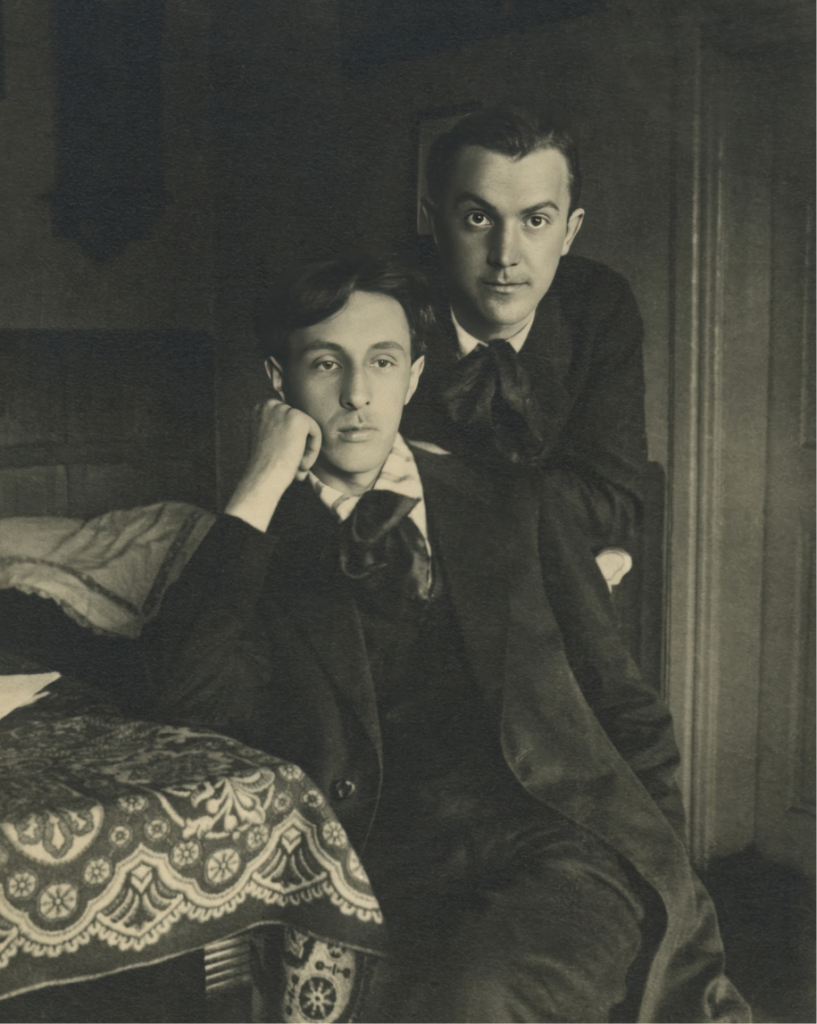
1911 — Had his first consultations with Josef Suk. In December, he failed his state examination.
1912 — Began composing the piano cycle Puppets (1912–1923), his first enduring work. Also wrote Nipponari for voice and small ensemble, and in December passed his state examination.
1914 — Outbreak of World War I. Martinů was exempted from military service.
1915 — Began working occasionally as a violinist with the Czech Philharmonic.
1919 — Czech Rhapsody premiered by the Czech Philharmonic on January 12. During the summer, he toured London, Paris, Geneva, Bern, and Zurich with the National Theatre Orchestra.
1920 — Settled his obligations in Polička and returned to Prague. From autumn, he became a permanent member of the Czech Philharmonic Orchestra, playing second violin in the third section.
1922 — Discovered English Renaissance madrigals through a performance by The English Singers. Began composition studies with Josef Suk. Composed the ballet Who is the Most Powerful in the World.
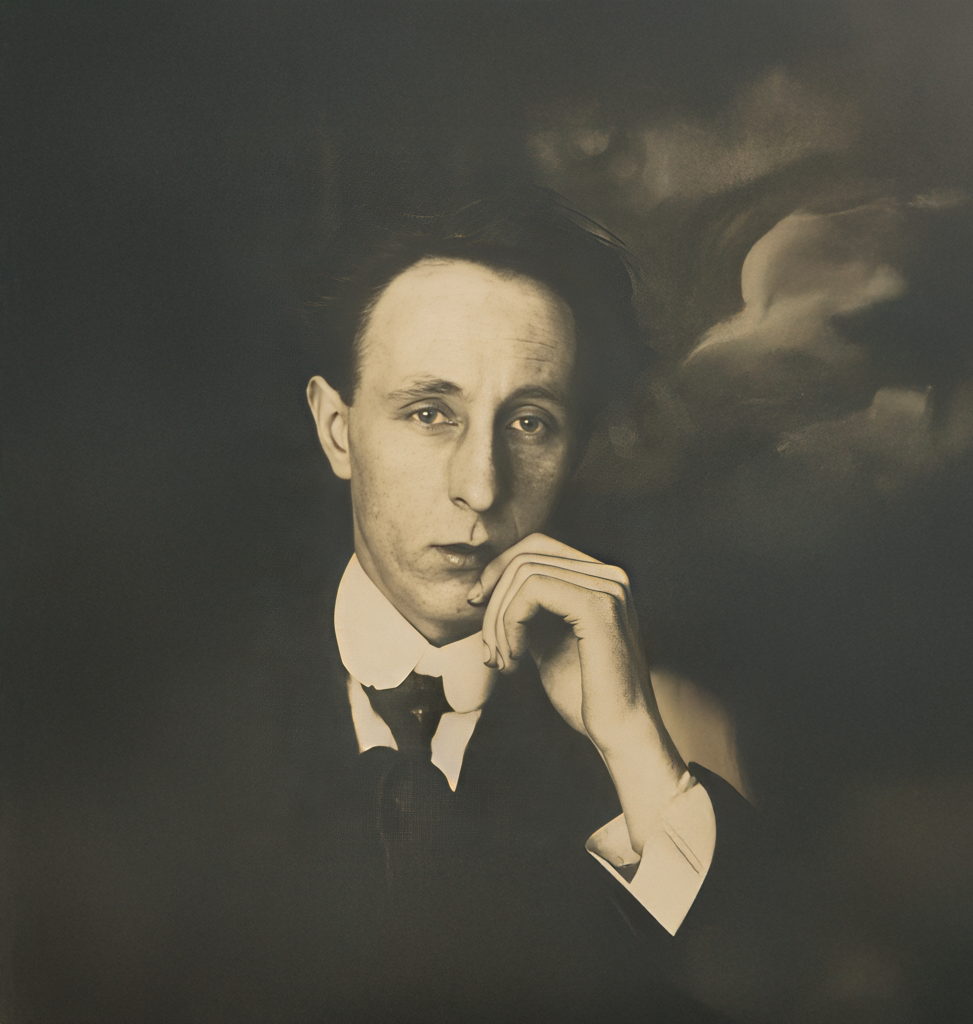
1923 — In October, he moved to Paris to study composition with Albert Roussel.
1923–1940 — Lived in Paris as a freelance composer, typically spending summers in Polička.
1924 — Composed the orchestral rondo Half-Time in Polička — his first mature work. Its premiere by Václav Talich and the Czech Philharmonic caused a scandal. Martinů had to defend himself against accusations that the work plagiarized Stravinsky's Petrushka. The ballet Istar premiered at the National Theatre in Prague.
1925 — Composed his String Quartet No. 2, which gained him international recognition and was published by Universal Edition Vienna. The ballet Who is the Most Powerful in the World premiered at the National Theatre in Brno alongside Janáček's opera The Cunning Little Vixen.
1926 — Met Charlotte Quennehen, his future wife. Composed La Bagarre for large orchestra.
1927 — Completed, among other works, his first opera, The Soldier and the Dancer, and the jazz ballet The Kitchen Revue. Met Dr. Miloš Šafránek, who would later become his assistant and biographer.
1929 — Completed the opera-film Three Wishes.
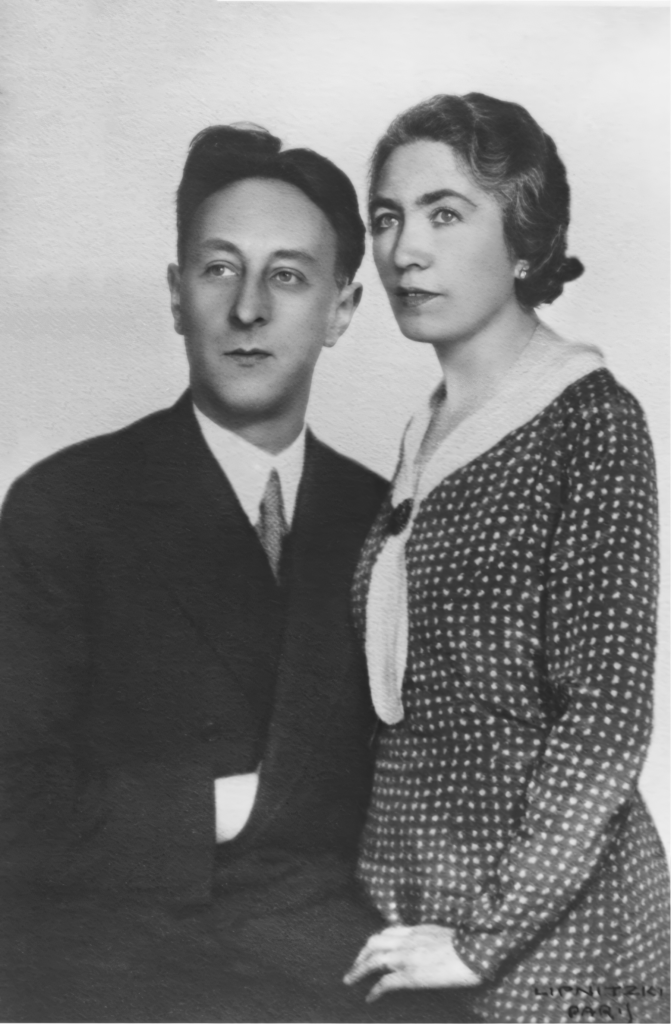
1931 — Married Charlotte Quennehen. Elected as a regular member of the Czech Academy of Sciences and Arts.
1933 — Premiere of the ballet Špalíček at the National Theatre in Prague, followed by a production at the National Theatre in Brno. The work was honored with the Smetana Award.
1937 — Met composer Vítězslava Kaprálová, who later became his student and lover. Composed the cantata The Bouquet of Flowers and the Concerto Grosso, dedicated to Charles Munch.
1938 — Premiere of the opera Julietta in Prague. Composed a series of masterpieces, including Tre Ricercari and String Quartet No. 5. On the day of the Munich Agreement, he finished the Double Concerto for Two String Orchestras, Piano, and Timpani.
1939 — Outbreak of World War II. Composed the Field Mass for Czech volunteers in France.
1940–1941 — Fled from occupied France through Spain and Portugal to the USA. He left most manuscripts behind, taking only four scores. Vítězslava Kaprálová died in June 1940. He settled in New York and saw great success with the premiere of his Concerto Grosso by Koussevitzky and the Boston Symphony.
1942 — Composed Symphony No. 1, premiered again by Koussevitzky. He would write one symphony every year until 1946, solidifying his status on the US music scene. In summer, at Koussevitzky's invitation, he teaches composition at summer courses at the Berkshire Music Centre. Later, he teaches at the Mannes School of Music in New York.
1944 — Composed Symphony No. 3 and Violin Sonata No. 3. Allied landings in Normandy. Began a long-term relationship with Rosalie Barstow.
1945 — Celebrated the end of the war with the Czech Rhapsody for violin and piano. Learned of his mother's death (1944) and the death of his close friend Stanislav Novák. He watches the political trial of Václav Talich in shock.
1946 — Suffered a serious injury falling from a balcony at the Berkshire Music School; the resulting hearing loss and vertigo plagued him for the rest of his life. Among other works, he composed Toccata e due canzoni for Paul Sacher and his Basel Chamber Orchestra.
1947 — Beginning of the Cold War. Composed works including the Three Madrigals for Violin and Viola.
1948 — Following the Communist coup in Czechoslovakia and the death of Jan Masaryk, he abandoned plans to return home and remained in exile. In the summer, he visited Europe again, staying in France and Switzerland. In September, he is appointed Professor of Composition at Princeton University, where he remains until 1951.
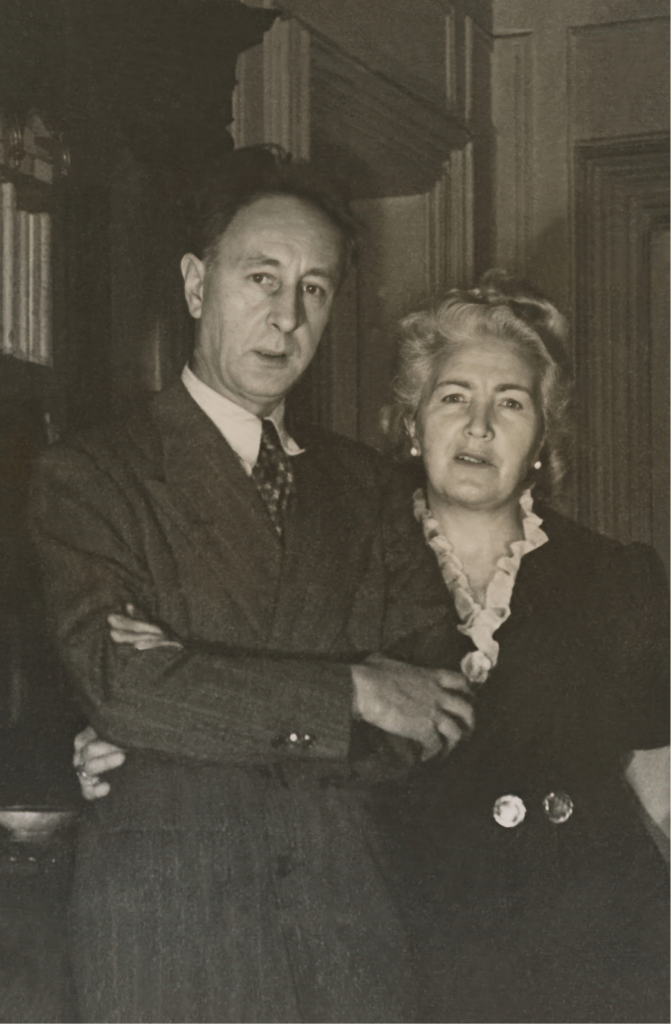
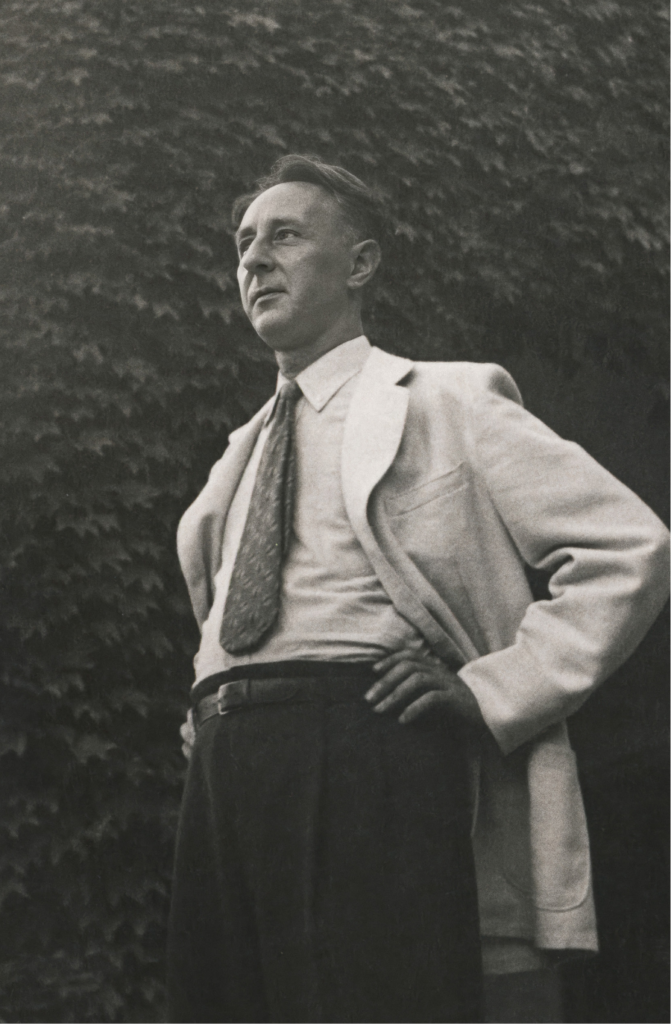
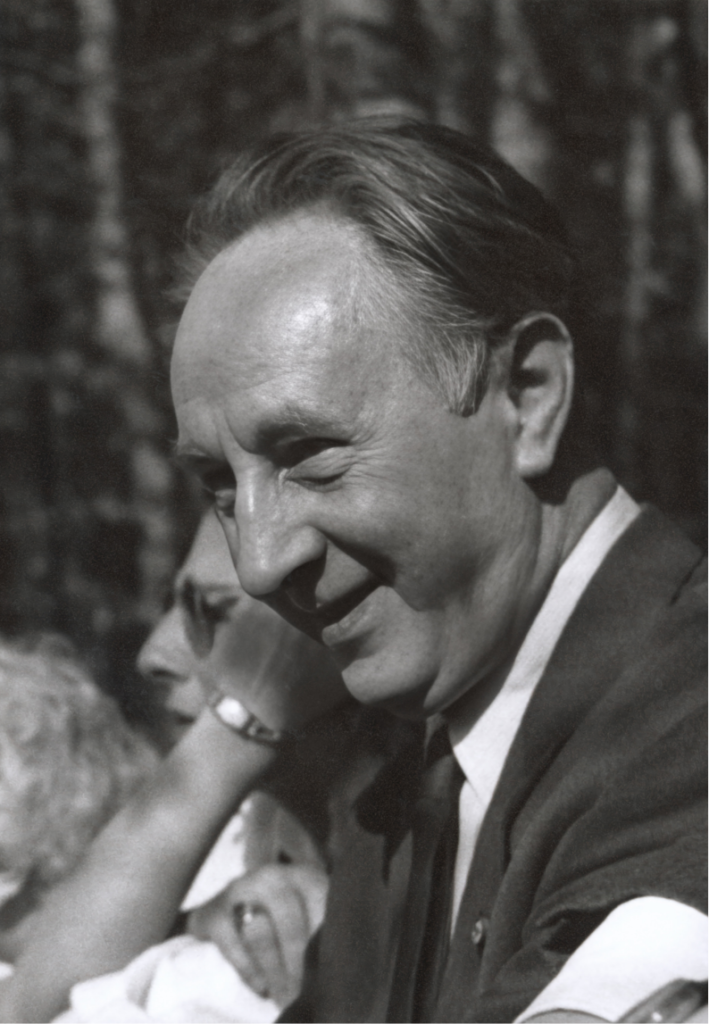
1951 — Began work on Fantaisies symphoniques (Symphony No. 6). The production of Comedy on the Bridge in New York received the Critics' Circle Award for Best Opera.
1952 — Obtained American citizenship. After a fifteen-year hiatus, he returned to opera, composing What Men Live By (based on Tolstoy) and The Marriage (based on Gogol) for the NBC television network, as well as, among other works, the Rhapsody-Concerto for Viola and Orchestra.
1953 — Received a one-year Guggenheim Fellowship, left the USA, and settled with Charlotte in Nice. From this time on, he lived primarily in France, Italy, and Switzerland. Completed Symphonic Fantasies (Symphony No. 6).
1954 — Composed the opera Mirandolina and the Piano Sonata. Meets Nikos Kazantzakis and begins work on the opera The Greek Passion.
1955 — Creation of several major works: the oratorio The Epic of Gilgamesh, the Concerto for Oboe and Small Orchestra, the orchestral Frescoes of Piero della Francesca, and the cantata The Opening of the Wells. Charles Munch premieres Symphonic Fantasies with the Boston Symphony Orchestra in Boston and New York; Martinů received the annual New York Music Critics' Circle Award for the work. He was elected a member of the American National Institute of Arts and Letters. At the end of the year, he returned to the USA for a final few months to teach at the Curtis Institute in Philadelphia and again at the Mannes School of Music in New York.
1957 — Received a Guggenheim Fellowship for the opera The Greek Passion. Paul and Maja Sacher invited Martinů to Schönenberg near Basel; he and Charlotte moved there permanently in September. Composed the Piano Concerto No. 5.
1959 — In January, he attended a production of Julietta in Wiesbaden, the first since its Prague premiere. Perhaps sensing his approaching end, he produced one composition after another: he completed the second version of The Greek Passion, followed notably by the Nonet, Czech Madrigals for five solo voices, Chamber Music No. 1, and the cantatas Mikeš from the Mountains and The Prophecy of Isaiah.
August 28, 1959 — Died at the cantonal hospital in Liestal near Basel. He is buried in Schönenberg; in 1979, his remains were repatriated to his birthplace, Polička.